
12 Proven Advantages of E-Commerce Websites 2025
Cut costs, boost sales, and reach millions online. Here are 12 reasons ecommerce is your ultimate growth hack in 2025
Ecommerce is no longer a trend, it’s a necessity now. With more than five billion individuals on the internet worldwide choose to make purchases online. Global retail ecommerce sales are predicted to surpass 4.3 trillion dollars in 2025.
This shift presents businesses with both opportunities and difficulties. On the one hand, there are obvious advantages of ecommerce, such as lower costs, greater reach and smarter marketing. On the other hand, there are still some ecommerce disadvantages like technical issues and increased competition. An in-depth knowledge on both sides is essential for long term success.
In this blog, you will discover 12 proven advantages of ecommerce that can help grow your business in today’s digital world. There are helpful strategies, simple explanations and practical examples to help you along the way. Whether you establish your first online store or want to improve your current one, this guide can help you make better decisions. From saving money to reaching global markets, every advantage discussed here supports long term growth.
12 Proven Advantages of E-commerce Websites:
1. 24/7 Global Accessibility
The Always-Open Store Advantage
Online businesses remain open 24/7, as it minimizes the time barriers and creates one of the biggest advantages of ecommerce for global customers. People from different time zones can shop when convenient, without waiting for business hours, which improves experience and increases brand trust. Unlike physical stores with fixed hours, ecommerce gives flexibility, which directly contributes to the top advantages of ecommerce today.
This always available access ensures businesses never miss a sale, which makes it easier to serve customers in different regions or countries. However, if systems fail or customer service lacks support, it could become one of the common ecommerce disadvantages users complain about.
Real-World Impact
A brand like ASOS proves how 24/7 online stores can scale fast, help global users shop comfortably without time zone issues. Still, without strong logistics or cultural awareness, businesses may face one of the most ignored disadvantages of ecommerce.
Brands that partner with a custom web development company ensure their platforms stay responsive, reliable and fast across regions and devices. When done well, the global accessibility of ecommerce not only increases reach but also strengthens customer loyalty and digital store performance.
2. Reduced Operating Costs
Lower Overhead, Higher Profits
One of the biggest advantages of ecommerce is reduced business costs, which makes growth easier for both small and large companies. Ecommerce platforms save money by cut off the store rent, utility bills, daily maintenance costs and the need to hire large support teams.
Online sellers avoid expenses tied to physical shops, like displays, furniture, store staff, or keep the products fully stocked on shelves. You can run your store with fewer employees, especially if you use smart ecommerce management solutions combined with automation.
With fewer overhead costs, you can spend more on advertisement, design and customer service, which boosts revenue and opens up new business prospects.
Impact on Finances
Due to these reduced expenses, entrepreneurs can test concepts and boost revenues without the need to face significant losses or make large upfront investments. Startups with little funds that still desire a solid global presence and scalable sales platforms can benefit greatly from ecommerce.
However, one of the disadvantages of ecommerce is the possibility of unforeseen hidden expenses such as platform fees, plugin updates and technical support. With careful preparation and assistance from a trustworthy web development firm, you may control these expenses with no loss of the expansion of your online business.
Cost Comparison Table
|
Expense Category |
Physical Store |
Ecommerce Store |
|
Rent & Utilities |
High monthly rent, electricity and water bills |
Minimal hosting and domain costs |
|
Staffing |
Requires multiple employees for daily operations |
Fewer staff needed due to automation |
|
Inventory Management |
On-site storage and inventory control |
Dropshipping or off-site warehouse options |
|
Marketing |
Billboards, flyers and local ads |
Targeted digital ads with lower cost |
|
Maintenance |
Daily cleaning, repairs and in-store updates |
Occasional website maintenance and updates |
|
Store Setup |
Furniture, POS systems, lighting and signage |
Website setup, themes and integrations |
3. Expanded Market Reach
Breaking Geographic Barriers
Businesses reach customers beyond borders through digital stores, which is one of the major advantages of ecommerce in today's economy. They no longer need physical outlets in every country, which reduces costs and opens new doors for international growth and visibility. With just a website and proper logistics, brands sell in remote regions and serve global demand without costly international storefronts.
Wider reach improves brand awareness, builds trust across borders and increases opportunities for revenue beyond traditional offline retail models.
Growth Statistics
4. Enhanced Customer Experience
Convenience Drives Loyalty
Ecommerce platforms enable customers to shop at any time and from any location, better convenience and construct solid relationships between customers who return. Fast product availability and simple return policies are two of ecommerce's advantages that increase customer satisfaction and foster closer bonds with clients.
Unlike physical stores, digital shops stay open 24/7, which helps with customers' needs without delays or imbalance the store hour limitations. That kind of ease adds to the advantages of e-commerce that modern buyers appreciate and expect from every brand. However, poor interfaces or unclear return policies are common e-commerce disadvantages that hurt trust and drive buyers away permanently.
User Experience Statistics
Ecommerce requires a strong user experience (UX), users never come back after a negative digital experience. Most consumers favour websites that load quickly, are easy to use and clearly display policies, prices and product availability up front. Better digital experiences really increase the likelihood that customers will suggest the store, which raises conversion and retention rates.
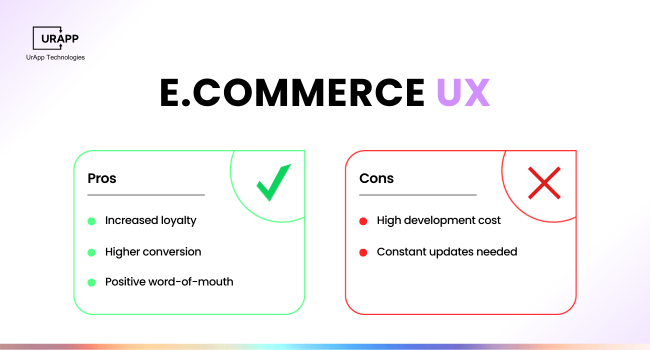
Key UX Elements
These days, users expect all e-commerce sites to have mobile-first design, secure checkouts and sites that load quickly. Smart search features, easy navigation and clear graphics are essentials that impact consumer satisfaction and drive future online decisions about what to buy.
5. Data Driven Business Insights
Transform Data into Growth
Ecommerce gives access to real time data, through which businesses understand customer behavior and make smarter choices for future success. To find out what works, what doesn't and what needs immediate improvement, businesses monitor page visits, purchases and bounce rates. One of the primary benefits of ecommerce is its high visibility, which reduces guesswork and improves product market fit.
Retailers can test ideas, analyze feedback and adjust offers immediately, which supports faster growth and results in more accurate decisions.
Business Intelligence Benefits
Business intelligence tools help track trends, forecast demand and highlight customer preferences across channels and purchase behaviors. This reduces waste, improves marketing results and supports inventory planning with data rather than assumptions or outdated reports.
Ecommerce disadvantages include possible data overload or misinterpretation, but smart tools help organize information for better business clarity. With this data, companies respond faster to shifts and personalize offers based on facts, not just opinions or rough guesses.
Analytics Tools to Leverage
Popular tools like Shopify Reports, Hotjar and Google Analytics assist companies in monitoring performance and developing more effective ecommerce plans. Easy dashboards and visual reports make customer interactions simple, understandable and quick, even for small teams or new businesses.
6. Improved Inventory Management
Streamlined Operations
Smart inventory systems help stores track products in real time and avoid the problem of being out of stock or left too much in stock. This makes operations smooth and avoids delays, which keeps customers happy and helps stores work better and save money.
Accurate tracking supports smart decisions, that lets businesses restock only what sells fast and cut down on storage and waste. Online stores often use software that sends alerts, assists the staff manage items quickly and prevent supply issues before they grow.
Operational Benefits
When inventory updates automatically, staff save time and avoid mistakes that often happen with manual tracking and stock counts. This gives teams more time to focus on the sell and give service to customers instead of work on errors or look for absent stock.
Quick updates also result in better product listings on the internet, which only display items that are currently in stock and available for shipment. These minor adjustments improve client trust and lessen ecommerce issues, both of which are essential for repeat business and success over the long run.
ROI Impact
Strong inventory systems cut storage costs, reduce returns and help businesses avoid overbuying or underselling key product items. These improvements raise profits and improve growth over time, showing why the advantages of ecommerce matter for smart businesses today.
Analytics from inventory tools help owners make better plans for holidays, sales or off-seasons by showing clear demand patterns early. This leads to better return on investment and avoids risks that often cause financial trouble for many online stores.
7. Personalized Marketing Opportunities
Targeted Campaigns Drive Results
Ecommerce platforms collect useful data from search habits, which lets the brands build specific campaigns for customers. Shoppers receive tailored suggestions that match past behavior, which encourages faster decisions and improves overall buying satisfaction.
Targeted offers increase click through rates by reach out to the people who already showed interest, which makes the message more relevant and timely. This smart selection helps avoid common ecommerce disadvantages, like forward the wrong products to uninterested users.
Marketing Effectiveness
Brands now use real time tools to test what works best in ads, which saves both time and marketing costs. Email campaigns become more effective when based on shopping patterns, birthdays, or location, improving how people engage.
The advantages of ecommerce show clearly in how fast brands can update offers and messages across all channels. These methods build stronger trust, as shoppers feel understood and valued, not overwhelmed with random content.
Implementation Examples
A book shop recommends titles based on genre and author interests, which keeps readers retained without have to search a lot. Food delivery applications help consumers make decisions by remind them of their favourite dishes, particularly around lunch or dinner.
These examples show how ecommerce uses personalization to improve results, increase loyalty and lower the chances of missed sales.
8. Scalability and Growth Potential
Built for Expansion
Businesses can expand rapidly with ecommerce without the need to add additional physical space or hire more employees as revenues rise. As demand grows, online platforms can easily handle more traffic and prevent many of the limitations that regular store setups face.
Another advantage of ecommerce is its flexibility, which allows companies to grow at their own rate. Digital platforms enable business owners to provide services to both local and international clients without requiring major operational adjustments, in contrast to physical locations.
Growth Metrics
Clear tracking tools let businesses measure important data like revenue, traffic sources and put back customers to monitor progress. Daily reports provide live updates, helping teams make fast decisions that support ongoing sales and long term development goals.
When used properly, these insights help avoid risks, maximize efforts and overcome many ecommerce disadvantages seen earlier. This level of visibility makes it easier to scale with control, not just speed, across different business sizes.
Scaling Strategies
Business owners can add new products, explore new markets, or adjust the cost with fewer delays than physical stores face. Using features like autoship, live chat, or bulk discounts helps manage higher sales that keeps customers satisfied.
Online brands often build loyalty programs or referral systems to keep growth consistent without overspending on ads. Such scalable methods show why digital platforms remain strong despite the known disadvantages of ecommerce in some areas.
9. Competitive Advantage
Stay Ahead of the Competition
Faster access to market trends through ecommerce enables companies to respond swiftly and better meet new requirements of their customers. Digital tools make updates easy that allow the companies to adjust prices, products and services faster than traditional stores ever could.
Data shows what customers want, so businesses can improve offers, personalize services and stay ahead of other slower competitors. Unlike physical stores, online platforms support rapid change, give room to experiment and build sustained customer loyalty with less effort.
Market Position Improvements
Even small brands can build a strong market presence through smart design, fast service and professional online communication. Features like customer reviews, easy navigation and secure payments help increase trust and improve overall brand reputation.
No matter how big or small the business is, if they have a strong online presence this would be enough to increase visibility and enhance its reputation. Businesses in crowded and competitive industries earn respect, recognition and consistent growth through the strategic use of digital channels.
Competitive Strategies
Smart brands use email, ads and social media to reach the right people and stay ahead in busy online markets. Adaptable companies test new ideas, refine strategies and grow faster by keep an eye on what works and make quick changes. This approach reduces waste, saves time and gives businesses the edge needed to lead in today’s fast digital world.
10. Enhanced Customer Service
Superior Support Capabilities
Customers can get answers quickly with online retailers via email, live chat, or FAQs. One of the primary advantages of ecommerce is that digital platforms offer 24/7 support, which increases consumer confidence.
Live chat tools give instant help, which lets the business solve customer issues clearly while increasing buyer satisfaction after each interaction. Support systems make tracking simple, so every concern receives attention and nothing falls through the cracks or delays.
Service Quality Metrics
Businesses use data like response times and resolution rates to measure service quality and improve areas that affect user experience. Clear metrics highlight patterns in complaints, which helps teams act faster and avoid common disadvantages of ecommerce from repeating often.
When teams use data well, they give better service, build loyalty and improve how buyers view the brand every day. Good support always brings happy customers and happy customers often return, making online stores stronger than their traditional competitors.
Support Channel Integration
Integrating support tools like email, phone and chat allows teams to reply fast and stay consistent across all channels. Smooth systems reduce confusion and build trust, which helps avoid the most frustrating ecommerce disadvantages that affect many online users.
Simple, clear support gives buyers confidence and makes service better, creating lasting customer relationships for every business that offers it.
11. Multiple Revenue Streams
Diversified Income Opportunities
Online businesses can earn from items, subscriptions, adverts, or services, based on their strategy and client expectations within ecommerce models. Different income types protect the business when one area slows, which supports steady growth without rely on one revenue source.
Owners test options like sell out digital products or offer memberships to build more reliable income in uncertain or seasonal business cycles. Though the advantages of eCommerce are many, income diversity makes the business stronger when trends shift or customer behavior suddenly changes.
Revenue Diversification Benefits
More revenue streams increase stability, build stronger business value and support decisions based on performance data across all available sales areas. Even when one category struggles, others continue to earn, which helps the brand stay active and focused during uncertain markets.
Disadvantages of eCommerce include over reliance on trends, so income diversity protects brands from sudden losses caused by shifting customer interest. Using multiple options allows a business to scale faster, enter new markets and create stronger trust with loyal customers over time.
12. Environmental Sustainability
Eco Friendly Business Operations
Many online stores choose packaging that uses recycled materials, which helps reduce plastic waste and limit harmful landfill buildup worldwide. Businesses save energy by the use of cloud storage, which lowers power use and supports a cleaner way to manage digital operations.
Some companies plant trees for every order placed and shows commitment to sustainability while building stronger trust with their customers. Green choices also reduce costs, improve brand reputation and help businesses stay aligned with modern eco friendly values and customer expectations.
Sustainability Statistics
The trend towards responsible and ecologically conscious delivery methods is reflected in the fact that more and more retailers now provide eco friendly packaging.
Implementation Guide
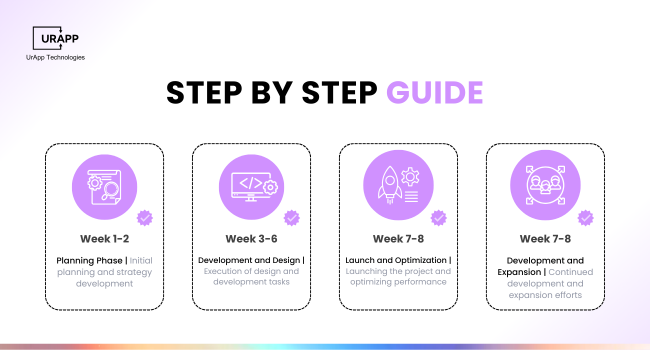
Weeks 1–2
A plan of action
Establish a defined budget, target market and goals to lay the groundwork for the success of your ecommerce company. To support the future of the company and client satisfaction, list product categories, conduct competitive research and select the best platform.
Week 3-6
Development and Design
Begin building your website with strong visuals, fast speed and secure checkout to offer users a smooth shopping experience. Design mobile friendly layouts, organize your product pages and test the features to ensure everything works before you jump into the next step.
Weeks 7–8
Launch and Optimization
Launch the store once testing is complete, then start to gather the customer feedback to improve your platform and fix minor issues. Monitor visitor behaviour, enhance load speed and make use of analytics tools to effectively improve performance and increase conversion rates.
Development and Expansion
To draw in new clients and create constant, continuous income development, advertise your store that use digital marketing, SEO and affiliate programs. Update product listings, extend options, and analyse trends on a frequent basis to grow sales and carefully overcome eCommerce's challenges.
Key Takeaways
- Ecommerce stores offer 24/7 global access, reaching over 2.64 billion online buyers worldwide without geographic limits.
- Online operations reduce costs like rent, utilities, and staffing, allowing businesses to boost profits and reinvest in marketing and growth.
- Real-time analytics provide customer insights for personalized campaigns, smarter decisions, and higher repeat sales.
- Ecommerce platforms support rapid scalability, letting businesses add products, enter new markets, and handle higher traffic without extra physical space.
- Fast, mobile-friendly websites, clear return policies, 24/7 support, eco-friendly packaging, and multiple revenue streams help build trust, loyalty, and long-term growth.
Conclusion
Ecommerce is an effective way to boost the growth and efficiency of modern businesses since it provides global access, lower overhead and quicker customer service. Despite all of its advantages, being aware of ecommerce challenges helps you be prepared for problems like fraud, system failure and data breaches.
The advantages of ecommerce include lower costs, a larger audience, flexible operations, easy tracking and personalized advertisements based on real time data. However, ecommerce disadvantages may arise when businesses ignore planning, skip security steps, or fail to update systems and customer support. You must take a balanced view, assess your business goals and determine which approach works best for future digital growth.
collaborate with a reliable digital transformation company to help you reduce risks, plan better and implement tools that support stable online operations. They guide you with expert insights, ensure technology works smoothly and help you avoid common ecommerce disadvantages faced by new sellers.
The shift toward digital success begins with a clear plan, trusted support and full commitment to serve your audience online. Use each benefit sensibly, be mindful of the dangers and view each challenge as a chance to enhance your digital setup. The moment has come to act, consider your alternatives and take the first wise move towards success through the implementation of safe, scalable e-commerce.